-
 Preventable Death Gap Widens by Education Level
A gap in preventable deaths is growing between people with and without a college degree, a new study says. A steadily increasing number of people with a high school diploma or less are dying from illnesses that could have been prevented by health care, researchers reported...
-
 Exercise Lowers Risk of Dying From Cancer
Cancer survival rates continue to improve, with about 70% of patients now reaching the five-year survival mark. New research suggests that regular exercise may further boost those odds. While numerous studies have shown that physical activity increases longevity in heart...
-
 Study: Lifetime Learning Lowers Alzheimer's Risk
"Anyone who stops learning is old, whether at 20 or 80," American entrepreneur Henry Ford once said. "Anyone who keeps learning stays young. "There's something to that, a new study says. People who engage in a lifetime pursuit of learning have a lower risk of Alzheimer's...
-
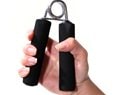 Grip Strength May Predict Longevity
A new study of nearly 5,500 women ages 63 to 99 suggests that something as simple as grip strength may predict how long they live. Researchers found that women with the strongest grip strength had a 33% lower risk of death over an eight-year period compared to those with the...
-
 Most Women Unaware Heart Disease Is Top Risk
February is American Heart Month, a nationwide observance highlighting cardiovascular disease and the urgent need for prevention and early detection. Yet studies show only 56% of women know that heart disease - not cancer - is their No. 1 killer. Research also indicates...
-
 Key Test to Assess Your Heart Disease Risk
Most people have their cholesterol checked each year to assess their risk of heart disease. But a growing number of cardiologists say another test - one that measures a protein called apoB - may provide a clearer picture of cardiovascular risk. Apolipoprotein B (apoB)...
-
 Bedroom Temp Matters More for Sleep With Age
Ever find yourself tossing and turning on a warm night, flipping the pillow over and hoping sleep finally comes New research published in the journal BMC Medicine, suggests the temperature of your bedroom may play a bigger role in how well you rest, especially as you get...
-
 Worrying About Getting Older Can Accelerate Aging
They say worrying will give you wrinkles, but a new study indicates that might be an understatement.Women anxious about getting older appear to experience accelerated aging, with their fears promoting quicker decline at the cellular level, researchers found.In essence,...
-
 Medicare Rule Keeps Seniors in Hospital Too Long
An outdated Medicare policy is keeping seniors in hospitals longer than necessary, wasting their time, hospital resources and federal health funding, a new study says. Established in 1965, the "three-day rule" was intended to justify the expense of sending a patient to a...
-
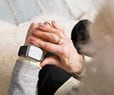 Apple Watch Might Not Alert Seniors to Hypertension
A new feature of the Apple Watch allows the device to passively track blood flow and notify users they might have high blood pressure. However, folks who don't receive such a warning from their smartwatch should not assume their blood pressure is healthy, a new study...
-
 How to Choose Best Assisted Living, Nursing Home
Sometimes it's a fall that brings a broken hip and a loss of mobility. Or memory problems that bubble into danger. Or the death of the partner who was relied upon for care. The need to move to a nursing home, assisted living facility or another type of care setting often...
-
 Cold Weather Makes These Conditions Worse
Brutal winter weather can do more than make you uncomfortable-it can also worsen several common health conditions, especially in people over age 50, according to AARP. Cold temperatures, dry air, and harsh winds place extra stress on the body and can trigger flare-ups of...
-
 Stroke Rehab Focused on 'Good' Arm More Effective
Stroke rehabilitation might be focusing on the wrong side of a survivor's body, a new study says. Traditional rehab focuses on restoring strength and movement to the side of the body impaired by a stroke, researchers said. But therapy targeted toward a stroke survivor's...
-
 Genetics Accounts for up to 55% of Life Expectancy
People are often told that eating well, exercising and avoiding bad habits are the fundamentals to a long life. But new research suggests something else may matter even more: genetics. A large study published Jan. 29 in the journal Science suggests genetics could account for...
-
 Unexpected Early Menopause Symptoms
The symptoms women experience on the verge of menopause could be vastly different from what they might expect, a new study says. Women in perimenopause - the time leading up to their final period, as well as the year after - expect to be plagued with hot flashes and night...
-
 CDC: US Life Expectancy Hit All-Time High in 2024
U.S. life expectancy rose to 79 years in 2024 - the highest mark in American history. It's the result of not only the dissipation of the COVID-19 pandemic, but also waning death rates from all the nation's top killers, including heart disease, cancer and drug...
-
 Night Owls Have Worse Heart Health, But Can Change
Being a night owl can be bad for your heart. That may sound surprising but a large study found people who are more active late at night - when most of the population is winding down or already asleep - have poorer overall heart health than the average person."It is not like,...
-
 Caring for Grandchildren May Slow Cognitive Decline
Grandkids are a blessing in more ways than one for seniors, a new study says. Grandparenting is good for the aging brain, potentially serving as a buffer against cognitive decline, according to findings published Jan. 26 in the journal Psychology and Aging.Seniors who...
-
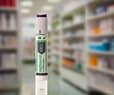 Women on HRT Lose More Weight With Zepbound
Good news for women taking hormone therapy for menopause: You might find that weight-loss drugs are more effective. Women on hormone therapy lost 35% more weight while taking Zepbound (tirzepatide), researchers recently reported in The Lancet Obstetrics, Gynecology & Women's...
-
 Dr. Crandall: Trump's Bruised Hand Explained
President Trump recently drew attention after explaining a bruise on his hand , and mentioning aspirin , during a public exchange with reporters. "I would say take aspirin if you like your heart, but don't take aspirin if you don't want to have a little bruising," he said.
-
 Medications That Weaken Your Bones
Osteoporosis affects millions of people in the United States and around the world. According to national health statistics, about one in two women and up to one in four men over age 50 will break a bone due to osteoporosis. Its prevalence increases with age, making it a...
-
 Study: Shingles Vaccine May Slow Aging in Seniors
The shingles vaccine can do more than simply protect folks from a maddening skin disease, new research shows. Incredibly, the shingles jab also appears to slow down the aging process, contributing to slower biological aging in seniors, researchers reported. People 70 and...
-
 Advance Treatment Can Delay Rheumatoid Arthritis
People can delay rheumatoid arthritis (RA) for several years by receiving treatment in advance using a long-standing biologic drug, a clinical trial found. People receiving a year of abatacept (Orencia) injections had onset of rheumatoid arthritis postponed by up to four...
-
 Air Pollution Increases Risk of ALS
Prolonged exposure to air pollution appears to increase a person's risk of ALS and other motor neuron diseases, a new study says. Further, air pollution also appears to speed up the disease in people diagnosed with ALS, researchers reported Jan. 20 in JAMA Neurology. "Our...
-
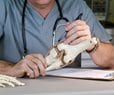 Stanford: Cartilage Restored, Improving Joints
Stanford University researchers have uncovered a promising new approach that may help the body regrow cartilage in aging joints - and could even reduce the risk of osteoarthritis after certain knee injuries. Osteoarthritis is the most common form of arthritis and affects an...