The Federal Reserve's $600 billion bond buyback program designed to fuel economic recovery is backfiring by stoking inflationary fears, says David Einhorn, head of the Greenlight Capital hedge fund.
The Fed's program, known as quantitative easing, is designed to pump money into banks so they will fuel economic growth by lending more and by investing in stocks.
If the stock market rises, companies otherwise skittish about raising capital may do so and create jobs.
But inflationary fears are messing up plans.
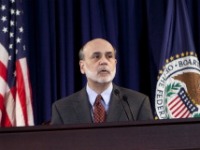 |
Fed Chair Ben Bernanke
(Getty Images photo) |
"While Chairman Bernanke claims that quantitative easing has succeeded in raising stock prices, it seems that equities have gone up for the opposite reason he proposed," Einhorn writes, according to CNBC.
"According to Mr. Bernanke, Federal Reserve purchases of government bonds were supposed to raise their price so that they would be less attractive than other investments, including housing and equities."
Investors, Einhorn adds, would note the disparity and 'rebalance' their portfolios to buy more houses and stocks, which would appear cheap compared to higher bond prices.
"Instead, it appears that in response to quantitative easing, investors now fear inflation and have sold bonds. Interest rates have risen and housing prices have declined further. The housing recovery has faltered, creating another negative wealth effect and putting additional strain on the banking system."
Quantitative easing is due to end in June.
While unemployment rates are still high, further easing would be counterproductive to economic recovery. Bernanke has said.
"The trade-offs are getting less attractive at this point," Bernanke says, according to the Associated Press.
"It's not clear that we can get substantial improvements in payrolls without some additional inflation risk."
© 2026 Newsmax Finance. All rights reserved.