-
 Early Diagnosis Key to Academic Success With ADHD
Children with ADHD are more apt to have a bright future if they're diagnosed in their early elementary years rather than as high schoolers, a new study says. Kids diagnosed with ADHD at an earlier age are more likely to have better grades and go on to college, researchers...
-
 NASA to Study Health Effects on Artemis Astronauts
While the Artemis II astronauts have been protected from the icy vacuum of space on their journey, their bodies have nonetheless been left exposed to possibly high levels of radiation -- a danger of space travel that NASA is anxiously waiting to study.
-
 Why You Stay in the Car After a Long Day
Have you ever pulled into the driveway of your home or a parking lot spot and just ... stayed there Maybe it's a few minutes, or half an hour. You might be scrolling on your phone, belting out a favorite song or just staring into the distance. Scroll through TikTok and...
-
 Alzheimer's Tests May Miss Risks for Women
The tools doctors use to diagnose Alzheimer's disease may miss telltale changes in women, new research shows. Women account for nearly two-thirds of Alzheimer's cases in the United States. But standard screening tools rely on a one-size-fits-all approach that doesn't account...
-
 Gary Woodland Manages PTSD at the Masters
When Gary Woodland last played the Masters in 2024, he was months removed from surgery to remove a brain tumor. At that point, it may have appeared to outsiders that he'd finished his fight. Woodland, though, said he "didn't know what the future held. "Woodland, now 41,...
-
 Procedure Effective Against Combat-Related PTSD
An advanced version of a procedure that uses magnetic fields to stimulate brain nerve cells appears to be extremely effective for combat-related post-traumatic stress disorder, according to a study of active military and veterans.That procedure in combination with...
-
 High-Dose Flu Shot May Lower Alzheimer's Risk
A high-powered flu shot might help reduce seniors' risk of Alzheimer's disease, a new study says. Seniors who got a high-dose flu vaccine had a nearly 55% reduced risk of Alzheimer's, researchers reported earlier this month in the journal Neurology. This high-dose jab - four...
-
 A Single Therapy Session Can Make a Difference
Just before the holidays in 2025, Julie Hart felt stuck. A nagging problem she had struggled with for years left her ruminating all day and questioning nearly everything she had ever said, done or could do. She was considering traditional therapy but decided instead to try...
-
 Scientists Find Single Cause of Cognitive Decline
Aging can take a toll on memory. Now, a new study has identified a single protein as the culprit of cognitive decline. And scientists believe they may be closer to reversing that decline. Researchers at the University of California, San Francisco have identified a protein...
-
 Therapists Not Trained in Male Eating Disorders
Boys and men can also develop eating disorders, and rates for these psychiatric issues are rising - even as psychotherapists admit they have trouble spotting and treating them. So finds a new study of 259 American and Canadian psychotherapists. "Boys and men with eating...
-
 Nerve Stimulation May Ease Fibromyalgia Pain
In its first "real-world" trial, the nerve stimulation treatment called TENS appeared to reduce the pain and tiredness of fibromyalgia. "The study shows that TENS provides an added benefit on top of any relief from other treatments," said study first author Dana Dailey of...
-
 Dr. Small: Music Boosts Mood, Memory and Brain Health
The 19th-century Danish author Hans Christian Andersen once wrote, "Where words fail, music speaks." Today, science is backing that idea - showing music doesn't just move us emotionally, but may also benefit brain health. Mental health experts say music can influence mood,...
-
 Science-Backed Benefits of Chocolate
If the Easter Bunny leaves you a basket filled with dark chocolate treats, go ahead and enjoy - in moderation. While chocolate goodies can be high in sugar and calories, dark chocolate also contains antioxidants and minerals that offer notable health benefits. To get the...
-
 Burnout Driving Family Doctors to Quit Medicine
You are more likely to lose your family doctor if they're stressed and burned out, a new study reports. Family doctors struggling with burnout are more likely to quit medicine altogether or leave their practice for a new one, researchers found. Doctors were 70% more likely to...
-
 Researchers Find When Crying Helps, and Doesn't
You might think shedding tears is a natural way to vent stress and reset the mind after a difficult day. But new research suggests that a good cry isn't the universal mood-booster we once thought it was. An Austrian team took a closer look at what makes people cry,...
-
 Antidepressant Might Help Long COVID Fatigue
A common antidepressant appears to help reduce fatigue in people living with long COVID, a new study says. Fluvoxamine - a low-cost and widely available antidepressant - significantly improved fatigue among long COVID patients within two to three months, researchers reported...
-
 Short Bursts of Exercise Lower Disease Risk
As it turns out, you don't need long workouts to improve your health. Just a few minutes of more intense activity each day may help lower your risk of serious diseases. That's according to a study published March 29 in the European Heart Journal, which looked at data from...
-
 The Differences Between Normal Aging and Dementia
Dementia - a decline in memory and thinking that interferes with daily life - is not a normal part of aging. Yet it is becoming increasingly common. Research suggests that Americans age 55 and older have about a 42% lifetime risk of developing dementia. Experts say early...
-
 Walking Patterns Help Diagnose Deadly Brain Diseases
A new study suggests that the way a person walks may help doctors distinguish between two serious neurological conditions - Parkinson's disease and dementia with Lewy bodies (DLB) - potentially leading to earlier and more accurate diagnoses. Researchers from the University...
-
 High Antioxidant Intake May Harm Offspring
Antioxidants are often seen as a good, simple way to boost health, but taking too many may come with some risks, new research suggests. A study from Texas A&M University found that high doses of certain antioxidants may affect sperm and lead to developmental changes in...
-
 Best Practices for Your Child's Social Media Use
In a pivotal moment that underscored how powerful and immersive social platforms can be for children and teens, a jury in California this week found both Meta and YouTube liable for mental health harms to kids using their services. jury's decision in the...
-
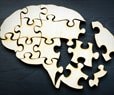 Schizophrenia Biomarker Could Improve Treatments
Researchers have identified a biomarker linked to schizophrenia that could lead to new treatments to tackle symptoms of the debilitating mental disorder not addressed by current medicines. Currently available antipsychotic drugs can help to control a patient's hallucinations...
-
 What You Do While Sitting May Predict Dementia Risk
Most health advice says to stand up more, but a groundbreaking study suggests that what you do while sitting down might be just as important for your long-term memory. Researchers in Sweden, Australia and Brazil found that passive sitting - like zoning out in front of the...
-
 The Mental Health Benefits of Spring Cleaning
If you're planning to tackle spring cleaning soon, you're not alone. Surveys show that more than 80% of Americans give their homes a deep clean at least once a year. According to the American Cleaning Institute, 91% of Americans say a thorough spring cleaning improves their...
-
 Frequent Phone Checks Cause Mental Overload
Spending too much time on screens is often blamed for information overload, but new research suggests it's not just how long you're on your device - it's how often you check it. A study from Aalto University in Finland found that people who repeatedly return to their phones...